
The 2 best tours in Chinatown: private or small group
Click here to check availability for the private tourBook the small-group Walking TourBangkok’s Chinatown: The Ultimate Guide to Yaowarat Road
Bangkok’s Chinatown is a sensory explosion of colours, smells and flavours. Centred around the famous Yaowarat Road, this neighbourhood offers a unique insight into Sino-Thai culture. In this guide, you’ll discover the best temples, the tastiest street food and practical tips for your visit.
As well as visiting Chinatown, there are plenty of other sights in Bangkok that you shouldn’t miss.
Haven’t booked a hotel in Bangkok yet? Check out our guide to the best hotels in Bangkok.
The History of Bangkok’s Chinatown
Chinatown (also known as Yaowarat) came into being at the end of the 18th century. King Rama I invited Chinese traders to settle outside the city walls. What began as a marshy trading area grew into the beating commercial heart of the Chinese community in Thailand. Despite the rise of modern shopping centres in Bangkok, the district has managed to retain its authentic, chaotic and charming character.

By clicking the video, it will be loaded from YouTube. By doing so, you accept YouTube’s cookies and terms. See our Privacy Policy.
Things to Do in Bangkok’s Chinatown
Visit the impressive temples
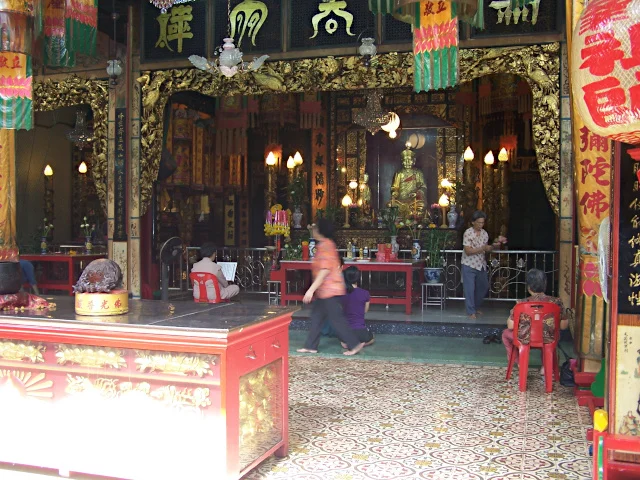
- Wat Traimit (Temple of the Golden Buddha): An absolute must-see. Here you’ll find the world’s largest solid gold Buddha statue (weighing 5.5 tonnes!). The statue remained undiscovered for centuries because it was hidden beneath a layer of plaster.
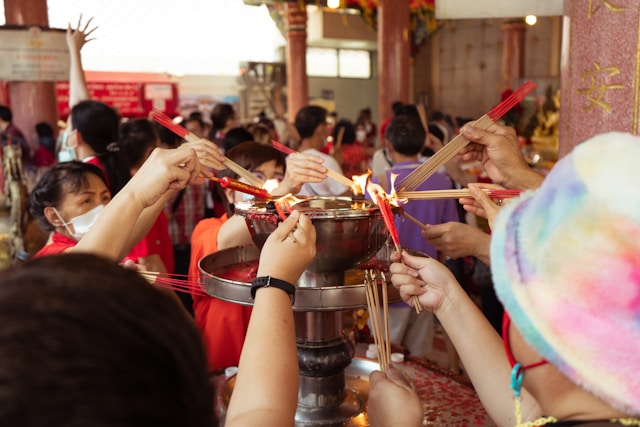
- Wat Mangkon Kamalawat: This is the city’s most important Chinese Buddhist temple. The scent of incense and the colourful offerings make this a very photogenic spot.
Shopping at local markets
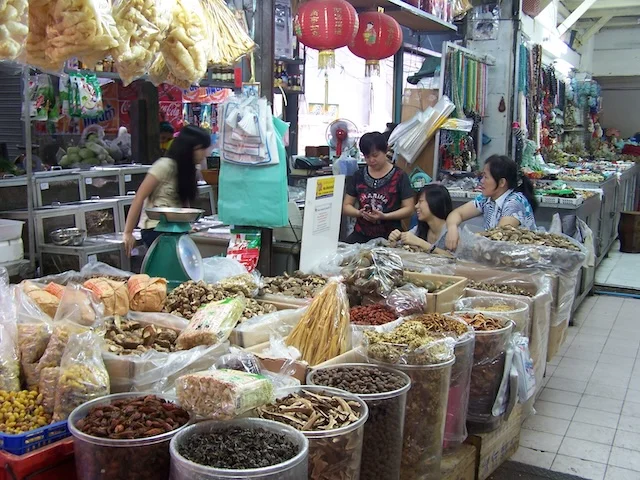
- Sampeng Lane: A narrow maze where you can find absolutely everything: from silk and toys to kitchenware and traditional Chinese medicines.
- Saphan Phut (Memorial Bridge Market): A lively night market popular with local young people for cheap clothes and vintage items.
OUR TIP: The narrow alleys of Sampeng Lane can feel like a maze. Want to avoid getting lost and discover the real hidden gems and oldest shops? Check out the private tour with a local guide here.
The Best Street Food in Chinatown
Yaowarat Road is renowned worldwide as one of the best places for street food. Don’t miss out on these dishes:
- Guay Teow (noodle soup): The cornerstone of Chinese cuisine in Thailand. Head for the busiest stalls for the best taste experience.
- Khao Kriab Pak Moh: Delicate, steamed rice balls filled with savoury pork.
- Nai Ek Roll Noodles: Located on Soi 9, this Michelin-recommended eatery serves legendary Guay Jub (rolled noodles in a peppery broth).
- Mango Sticky Rice: The Chinese vendors here are renowned for their top-quality mangoes and creamy coconut rice.
Can’t see the wood for the trees? Chinatown is home to thousands of food stalls. On a private food tour of Chinatown, a guide will take you to the stalls that have been serving up the best quality food for generations, without you having to queue in the wrong line.

By clicking the video, it will be loaded from YouTube. By doing so, you accept YouTube’s cookies and terms. See our Privacy Policy.
The best time to visit Chinatown
- During the day (10:00 – 16:00): Ideal for those who want to explore the temples at a leisurely pace and enjoy a good shop on Sampeng Lane.
- Evening (6 pm – 11 pm): The neighbourhood is transformed into a neon-lit paradise. This is the perfect time for foodies; the streets are then filled with food trucks.
- Chinese New Year: In January or February, this is the place to be. Expect dragon parades, huge crowds and an unforgettable atmosphere.

Practical tips for your visit
- Money: Always carry enough cash (baht). Although there are ATMs, street food vendors do not accept cards.
- Clothing: Wear comfortable shoes. Please note: for temples such as Wat Traimit, your shoulders and knees must be covered.
- Photography: The ‘golden hour’ just before sunset provides the most beautiful light, combined with the glowing neon signs.
Hidden Gems
Tang To Kang Gold Shop (345 Yaowarat Road) One of Bangkok’s oldest gold shops, established in 1886. Even if you don’t buy anything, the interior is well worth a look.
Nai Ek Roll Noodles (442 Yaowarat Soi 9) A legendary stall that makes the best roll noodles (guay jub) in Chinatown. This Michelin-recommended eatery is renowned for its soft rice noodles in a spicy black pepper soup with crispy pork belly.
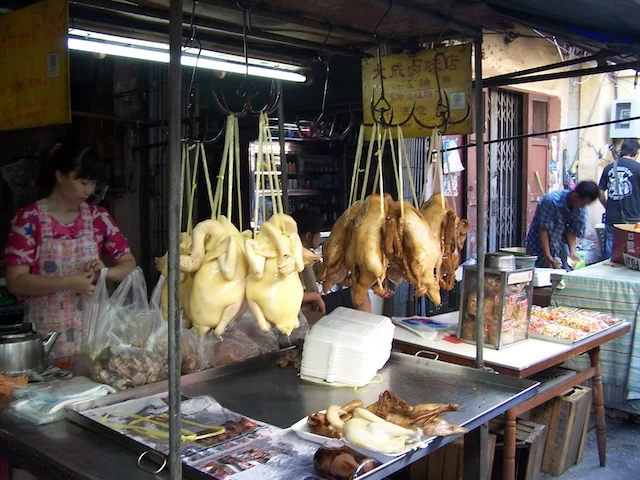
So Heng Tai A traditional herbal medicine shop where you can catch a glimpse of centuries-old Chinese medical practices. You’ll find it along Yaowarat Road or in one of the side streets.
Photography Tips
Chinatown is a photographer’s paradise. The neon lights, colourful temples and bustling street food scenes offer endless opportunities. The best photos are taken during the golden hour (just before sunset), when the natural light contrasts perfectly with the neon lights just coming on.
Please respect the privacy of sellers and ask for permission before taking close-up photos of people.
Why Bangkok’s Chinatown Is a Must-See
In a city undergoing rapid modernisation, Chinatown retains an authentic slice of history. It is a place where you can experience the true spirit of Bangkok’s multicultural identity. Whether you’re a foodie, a history buff, or simply looking for a unique experience – Bangkok’s Chinatown never disappoints.
The combination of spirituality, culinary delights and living history makes this one of Bangkok’s most fascinating neighbourhoods. It is not just a tourist destination, but a thriving community where traditions are cherished and passed on to new generations.
Set aside at least half a day for your visit to Chinatown, though you could easily spend a whole day there without getting bored. Every alley has its own stories to tell, and every corner offers something new to discover.
Frequently Asked Questions about Bangkok’s Chinatown
Is Bangkok’s Chinatown more enjoyable during the day or in the evening?
It depends on what you’re looking for! During the day (between 10:00 and 17:00) is the best time for culture vultures and shoppers; the temples are open and the wholesale markets in the narrow alleys are in full swing. In the evening (after 18:00), the neighbourhood transforms into a neon-lit food paradise. The market stalls make way for hundreds of street food tables on the pavement. For the ultimate experience, arrive around 16:30: that way, you can see the temples in daylight and witness the transformation into the night market.
Is Bangkok’s Chinatown safe in the evening?
Yes, the neighbourhood is very safe and gets particularly busy in the evenings with families and tourists. As always in busy areas, do keep an eye on your bags in the narrow market alleys.
What’s the best day to go?
Chinatown is bustling every day, but bear in mind that on Mondays many street food vendors are closed due to the weekly street cleaning. Tuesday to Sunday are the best days for street food.
How much time do I need for Chinatown?
To get a good impression, 3 to 4 hours will suffice. However, if you’d also like to explore the hidden side streets of Talat Noi and enjoy a leisurely dinner, set aside a whole afternoon and evening.
Small-group walking tour of Chinatown
A local walking tour exploring the lifestyle, culture and food of Chinatown
During this 4-hour walking tour through Bangkok’s vibrant Chinatown, you’ll discover the fascinating blend of Thai-Chinese culture, history and cuisine, accompanied by a local guide. The tour takes you through narrow alleyways, past hidden temples, golden shrines and bustling markets brimming with herbal remedies and local trinkets. Along the way, you’ll sample various authentic delicacies, such as crispy pork belly and handmade dumplings, whilst listening to personal anecdotes about the immigrants who shaped this neighbourhood. Thanks to the small group size (max. 8 participants), the tour offers an intimate glimpse into daily life off the beaten track, where cultural immersion and culinary delights blend seamlessly.
124 travellers rated this experience 4.7 out of 5
(Reviews on GetYourGuide.com)
“Sunee was an informative and knowledgeable guide. She gave us a detailed account of the history and traditions. The snacks she recommended were really tasty. I would definitely recommend the tour to anyone interested in history and tasty treats.”
Katrina – Australia, April 2026
Why a private tour is the key to experiencing the real Chinatown in Bangkok
2 travellers gave this experience a 5/5
“This private tour gives you a comprehensive tour of Chinatown. It’s not just a walk, but also takes in the Golden Buddha and the artistic Talat Noi neighbourhood. Highly recommended!”
Su and Johan (ThaiTravelExpert)
Bangkok’s Chinatown is overwhelming, hot and chaotic – but that’s precisely what makes it so charming. Yet most tourists miss 80% of the neighbourhood because they stick to the main road.
With a private guide, you’ll get the most out of your afternoon:
- No need to worry: You don’t have to find your own way through the maze of alleyways.
- Try more: The guide will order the right dishes (even if there isn’t an English menu).
- In-depth: Discover the story behind the Golden Buddha and the hidden temples of Talat Noi.


